


Best Varicose Veins Doctor in Max Hospital Saket, Delhi

Varicose Veins Specialist at Max Hospital Saket, Delhi
Looking for the best varicose veins doctor in Max Hospital Saket, Delhi? Dr. Tapish Sahu is a leading vascular specialist offering advanced, minimally invasive treatment for varicose veins with excellent clinical and cosmetic results.
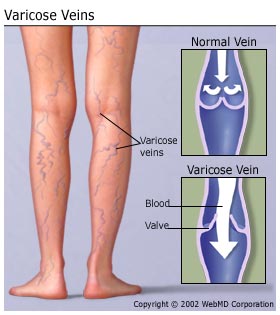
Varicose veins are swollen, twisted blue or purple veins that become visible under the skin. They most commonly appear in the legs. Although often considered a cosmetic issue, untreated varicose veins can cause pain, swelling, skin changes and more serious complications.
Veins contain one-way valves that keep blood flowing towards the heart. When these valves become weak or damaged, blood pools in the veins, causing them to enlarge and become varicose.
Varicose veins affect nearly one-third of adults and are more common in women. Risk increases with age, prolonged standing or sitting, sedentary lifestyle, obesity, family history and pregnancy (especially multiple pregnancies).
Causes of Varicose Veins
Varicose veins develop when the vein walls weaken. Increased pressure inside the vein causes it to expand, which further loosens the valves. Blood then flows backwards and pools, leading to the characteristic swollen and twisted appearance.
Common reasons for weakened vein walls and valves include:
- Ageing process
- Excess body weight
- Prolonged standing
- Hormonal changes
- Tight or restrictive clothing

Risk Factors for Varicose Veins
Factors that increase pressure in the veins and raise the risk of varicose veins:
- Sedentary lifestyle / inactivity
- Older age
- Overweight or obesity
- Pregnancy
- Previous leg injury
- Female gender
- Smoking
- Family history (hereditary)
Symptoms of Varicose Veins
The most obvious sign is gnarled, blue or purple veins visible just under the skin. Other common symptoms include:
- Bulging, rope-like blue or purple veins
- Heaviness, tiredness or sluggish feeling in the legs
- Itching or rash around the veins
- Swelling in the legs or ankles
- Skin discolouration
- Burning or throbbing sensation
- Aching or pain in the legs, especially after standing

When Treatment Becomes Necessary
Long-term mild swelling from varicose veins can lead to skin and tissue problems. Your treatment plan is personalised and depends on:
- Your age, overall health and medical history
- Severity of the condition
- Symptoms you are experiencing
- Tolerance to specific procedures or medicines
- Your personal preference and lifestyle goals

Treatment Options for Varicose Veins
Home & Conservative Treatment
- Leg Elevation – Elevating the legs above heart level 2–3 times a day can help reduce swelling and discomfort in mild cases.
- Compression Stockings – Medical-grade compression stockings improve blood flow and prevent blood from pooling. They are most effective when worn daily.
If symptoms persist or worsen, medical treatment is recommended.
Medical & Minimally Invasive Treatments
Ligation and Stripping
Performed under general anaesthesia for larger veins. Two small incisions are made (one near the groin and another at the knee or ankle). The vein is tied off and removed using a thin wire.
Sclerotherapy
A chemical solution is injected into small and medium-sized varicose veins. This causes the vein to scar and close. Blood is naturally redirected to healthier veins. It is one of the most common and effective treatments.
Radiofrequency Ablation (RFA)
A catheter is inserted into the vein through a tiny incision. Radiofrequency energy heats and seals the vein wall. Ideal for larger varicose veins with excellent long-term results and minimal downtime.
Endovenous Laser Treatment (EVLT)
A laser fibre is passed through a catheter into the affected vein. The laser energy seals the vein permanently. This technique provides precise treatment, fast recovery and superior cosmetic outcomes.
Transilluminated Powered Phlebectomy
A small incision is made and an endoscopic light source illuminates the target vein. The vein is then carefully removed through the same incision under direct visualisation.
Frequently Asked Questions about Varicose Veins Treatment
Who is the best varicose veins doctor in Max Hospital Saket, Delhi?
Dr. Tapish Sahu is widely regarded as one of the best varicose veins specialists at Max Hospital Saket, Delhi. He has extensive experience in advanced minimally invasive procedures such as endovenous laser therapy, radiofrequency ablation and sclerotherapy.
What are the common symptoms of varicose veins?
Common symptoms include bulging blue or purple veins, heaviness or tiredness in the legs, swelling, itching, burning sensation, aching pain and skin colour changes around the affected area.
What causes varicose veins?
Varicose veins develop when the vein walls weaken and the valves that keep blood flowing towards the heart fail. This allows blood to pool, causing the veins to enlarge, twist and become visible under the skin.
What are the best treatment options for varicose veins?
Treatment is tailored to the individual and may include lifestyle changes, compression stockings, sclerotherapy, radiofrequency ablation (RFA), endovenous laser treatment (EVLT) or surgical options in selected cases.
Is laser treatment effective for varicose veins?
Yes. Endovenous laser treatment (EVLT) is highly effective. A laser fibre is inserted into the vein and seals it permanently. Patients experience minimal discomfort, quick recovery and excellent long-term results.
When should I consult a varicose veins specialist in Delhi?
You should see a specialist if you have persistent leg pain, swelling, skin changes, itching, or if the veins are affecting your quality of life. Early intervention helps prevent complications such as venous ulcers and deep vein thrombosis.