


×
Find out how some of our patients have fared following their visit to our department
Patient Stories
I recommend the doctor.
- Master in doing procedures.
- Very polite and considerate.

SK Gupta
I recommend the doctor. Happy with: Doctor friendliness, Explanation of the health issue, Treatment satisfaction, Value for money, and Wait time. Thank you very much, Sir. Your good work and clear explanation of the disease are really appreciable.
Lalit
I have met so many doctors at so many hospitals, but Dr. Tapish Sahu is one of the best doctors I have ever met in my entire life. God bless him.
Gaurav Chaudhary
- Excellent and expert surgeon.
- Thorough gentleman.
- Considerate and understanding.
Sanjay Gupta
One of the best doctors I have ever met. He will never force you into surgery like other doctors. He is so motivating that many conditions improve just by discussing with him. I was suffering from varicose veins after pregnancy. All other doctors recommended immediate surgery, but Dr. Tapish Sahu motivated me to reduce weight and take proper medication. To my surprise, after losing weight, the pain stopped completely. Now I am completely fine and very thankful to him. He believes surgery should be the last option. I am fortunate to have such a wonderful doctor.
Ankita Srivastava
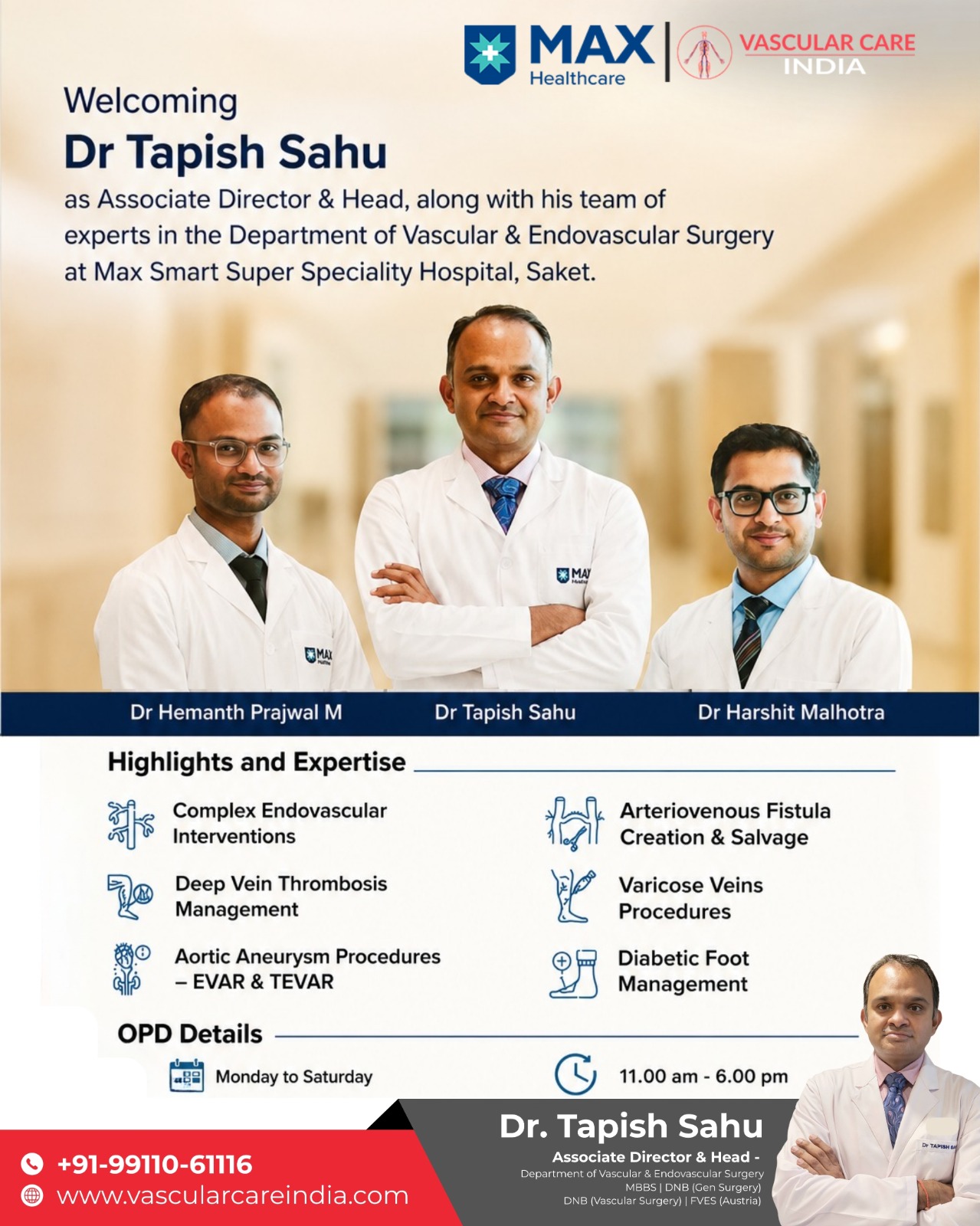
Dr. Tapish Sahu
Dr. Tapish Sahu is an accomplished Peripheral Vascular and Endovascular Surgeon in Delhi, India, specialising in the diagnosis and treatment of conditions affecting the arteries and veins of the body. He is currently the Associate Director & Head of the Department of Vascular & Endovascular Surgery at Max Smart Super Speciality Hospital, Saket, New Delhi.
Previously, he served as the Head of the Department of Vascular Surgery at Manipal Hospitals, New Delhi. He completed his MBBS from S. N. Medical College, Agra, followed by postgraduate training in Surgery at Sir Ganga Ram Hospital, New Delhi. He then pursued a super-speciality degree in Peripheral Vascular and Endovascular Surgery in Bangalore and further enhanced his expertise through a fellowship at University Hospital Salzburg, Austria.
He is credited with many national and international research publications and currently serves as the Secretary of the Vascular Society of India (VSI) and the Administrative Editor of the Indian Journal of Vascular and Endovascular Surgery.
Here To Help
-
Who is a vascular surgeon?
Vascular surgeons are highly trained specialists in the treatment of diseases of the vascular system. Your body has two sets of blood vessels: arteries, which carry oxygen-rich blood from the heart to all organs and extremities, and veins, which carry blood back to the heart. A vascular surgeon treats diseases related to the blood vessel system, except those of the heart and the brain.
-
Do vascular surgeons treat all diseases by surgery?
No. A vascular surgeon assesses each problem in detail. He diagnoses conditions using clinical knowledge and appropriate tests, ensures that patients understand all available options, and discusses them thoroughly. While vascular surgeons can perform both open and minimally invasive (endovascular) procedures, many patients do not require surgery and are successfully treated with medications and lifestyle modifications.
-
What is unique about a vascular surgeon?
A vascular surgeon is trained to treat blood vessel-related problems with medicines, perform Doppler examinations, and correlate findings with symptoms. When surgical correction is needed, he can perform open surgeries, purely endovascular procedures (in the Cath Lab), and hybrid procedures in the best interest of the patient. He is trained in the most advanced techniques available worldwide.
What We Do
Specialises in:
Varicose Veins
Varicose veins are swollen leg veins that cause pain, heaviness and swelling, and are fully treatable today.
Diabetic Foot Problems
Diabetic foot problems can cause ulcers, infection and slow healing. Early care helps prevent amputation.
Gangrene
Gangrene is tissue death caused by poor blood flow or infection. Early treatment can save both life and limb.
Awards and Recognitions
- Awarded Gold Medal for highest marks in Biochemistry, Microbiology and General Surgery
- Awarded Certificate of Honour (more than 75% marks) in Biochemistry and Microbiology
- Awarded Certificate of Merit (65–75% marks) in Anatomy, Forensic Medicine, PSM, Ophthalmology, E.N.T. and General Surgery
- 2nd Prize for Poster Presentation at IndoVasc 2014 (Bangalore)
- 3rd Prize for Paper Presentation at VSICON 2014 (Bhubaneswar)
- Areas of Expertise: Varicose Veins, Arterial Bypass, Complex Endovascular Procedures, AV Access Procedures, Carotid Artery Stenting/Endarterectomy, Aortic Aneurysm Surgery and EVAR
Dr. Tapish Sahu – Best Vascular Surgeon at Max Hospital, Saket, Delhi
Dr. Tapish Sahu is one of the best vascular surgeons at Max Smart Super Speciality Hospital, Saket, Delhi. He specialises in the diagnosis and treatment of arterial and venous diseases. As Associate Director & Head of the Department of Vascular & Endovascular Surgery at Max Smart Super Speciality Hospital, Saket, New Delhi, he provides advanced care for conditions such as varicose veins, deep vein thrombosis (DVT), diabetic foot ulcers, gangrene and peripheral arterial disease.
Known for delivering the best treatment for varicose veins in Delhi, he offers personalised treatment plans that include laser treatment, medical management and conventional surgery, based on each patient’s condition and diagnostic reports. A highly trusted DVT specialist in Saket, Delhi, Dr. Tapish Sahu is also renowned for his expertise in diabetic foot treatment, ensuring high-quality, patient-centric vascular care with excellent outcomes.
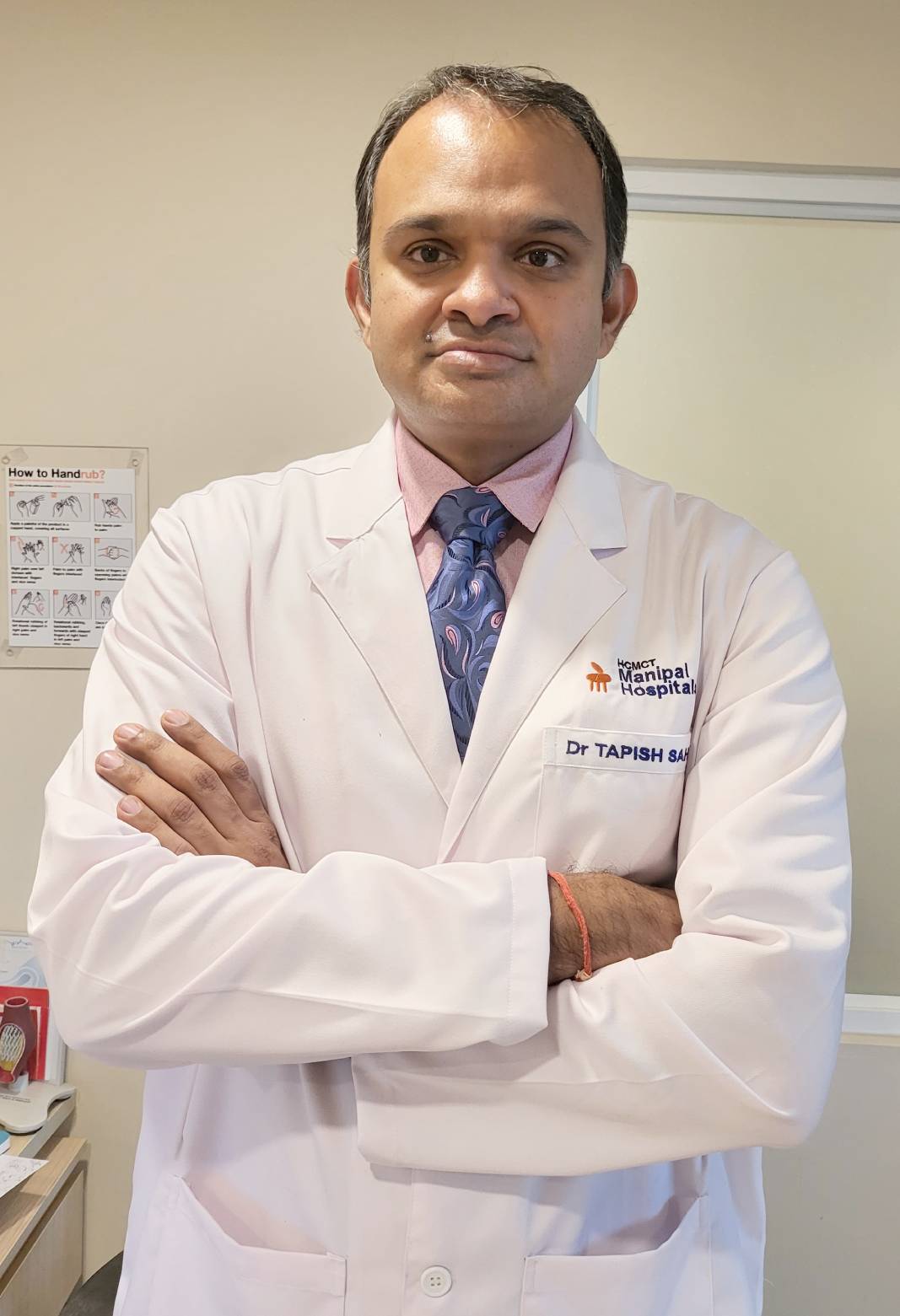
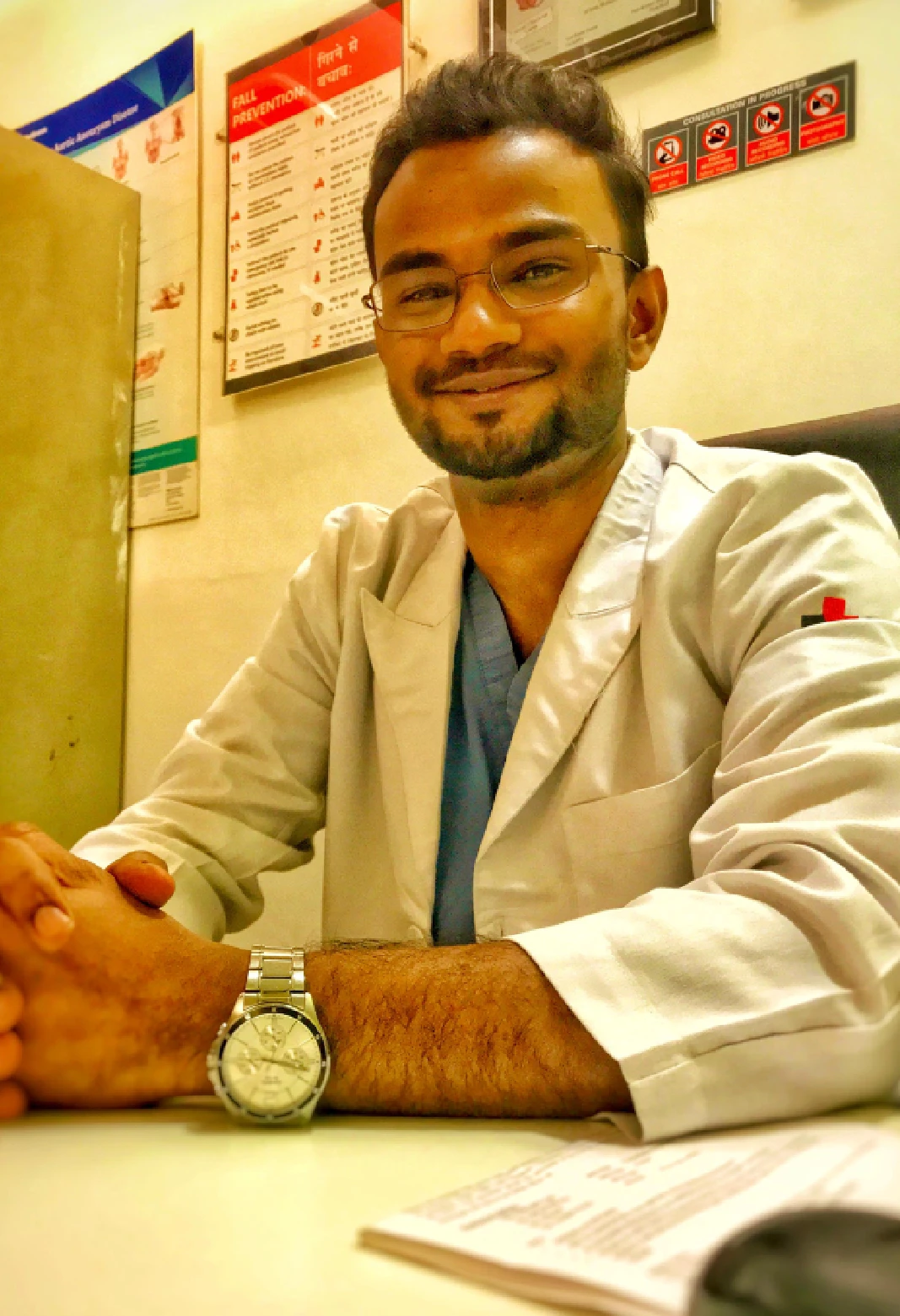
Meet Our Team

Our Services
We Are Dedicated To Serve
You All The Time

Varicose Veins
Varicose veins are swollen, twisted blue or purple veins that are easily visible under the skin. They most commonly occur in the legs. Although often considered a cosmetic concern, they can lead to serious complications and significant discomfort if left untreated.
Veins have one-way valves that keep blood flowing towards the heart. When these valves become weak or damaged, blood pools and flows backwards, causing the veins to swell and become varicose.
Read MoreDeep Vein Thrombosis (DVT)
Deep Vein Thrombosis (DVT), also known as venous thrombosis, is a condition in which a blood clot develops in a deep vein, most commonly in the lower leg or pelvis. It can also occur in the arm, brain, bowel or liver.
If not treated promptly, a DVT can lead to a life-threatening pulmonary embolism (PE), where the clot breaks off and travels to the lungs.
Read More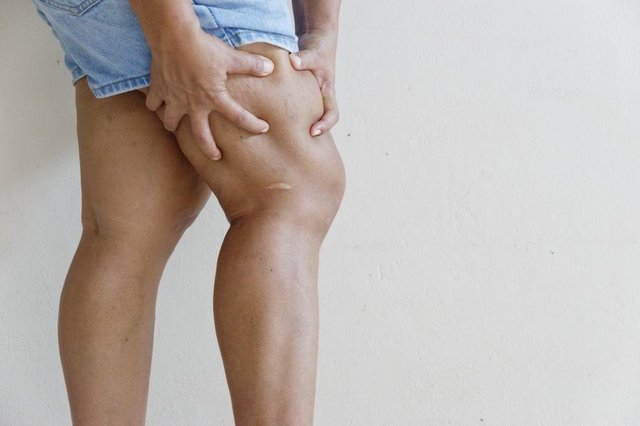
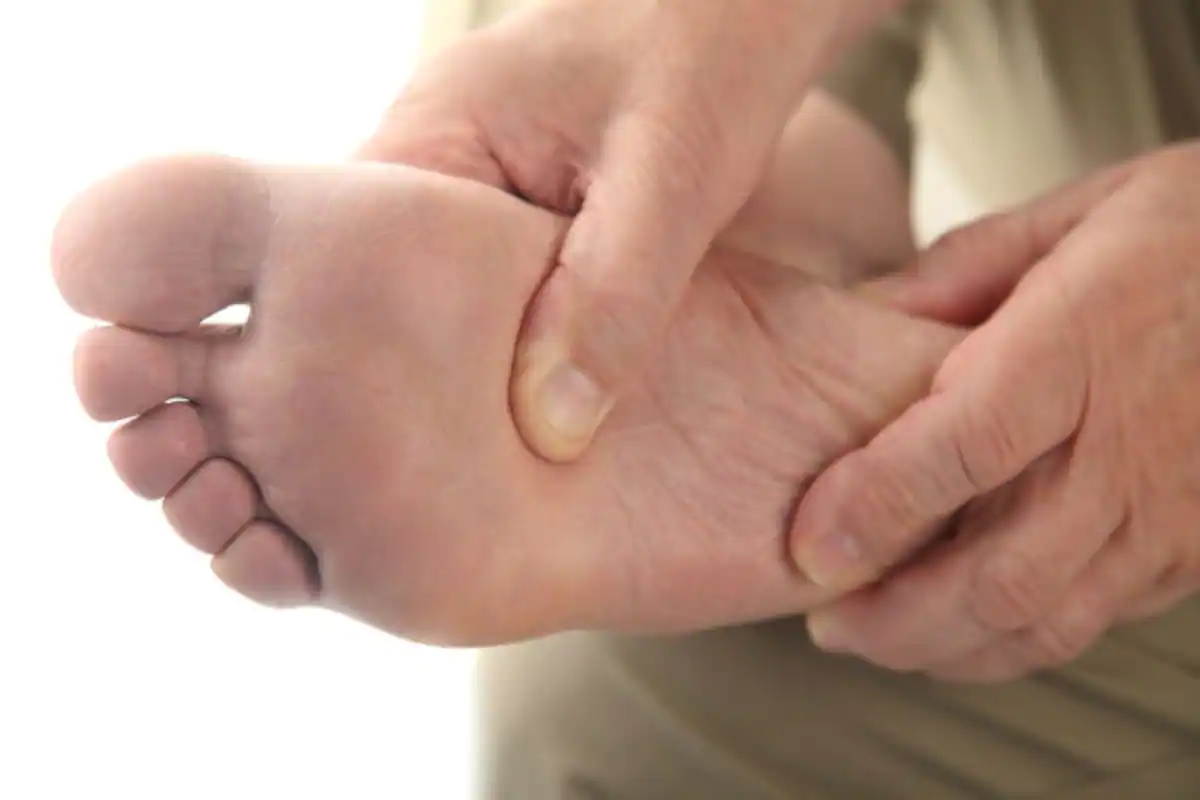
Diabetic Foot Problems
Patients with diabetes have an elevated risk of serious foot problems. This is due to poor circulation, a weakened immune system and possible nerve damage (neuropathy). Reduced blood flow in the feet can significantly delay healing and increase the risk of infection and amputation.
Read MoreGangrene
Gangrene is a serious condition in which body tissue begins to die due to loss of oxygen-rich blood supply or severe infection. It most commonly affects the extremities such as the hands, feet, toes and fingers.
There are two main types of gangrene – dry and wet. Early diagnosis and treatment are critical to save both life and limb.
Read More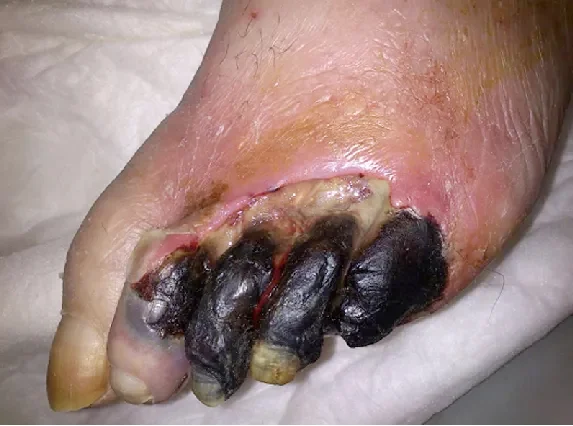

Aortic Aneurysm
The aorta is the largest artery in the body and carries oxygen-rich blood from the heart to the rest of the body.
Sometimes the wall of the aorta can weaken. Under the constant pressure of blood flow, the wall may expand and form a bulge or balloon – this is called an aortic aneurysm. It can occur in the chest (thoracic aortic aneurysm) or the abdomen (abdominal aortic aneurysm).
Read More
Get In Touch
Max Smart Super Speciality Hospital
Saket, Mandir Marg, Press Enclave Road,
Saket, New Delhi – 110017
Stay in Touch
Follow us on social media and keep up to date with all the latest news from Vascular Care India.
